 Skip to content
Facing a Trust Dispute? Find Your Houston Litigation Attorney
Why Trust Disputes Demand Swift Legal Action in Houston
A trust dispute attorney Houston can help resolve conflicts over trustee misconduct, mismanagement of assets, ambiguous trust terms, or improper distributions. These attorneys represent beneficiaries and trustees in litigation before Harris County’s statutory probate courts.
If you’re facing a trust dispute in Houston, here’s what you need to know:
- Common grounds for disputes: Trustee self-dealing, poor investment decisions, lack of mental capacity when the trust was created, undue influence, or failure to provide accountings.
- Where cases are heard: Harris County’s five statutory probate courts handle most trust litigation.
- Legal remedies available: Courts can remove trustees, order monetary damages, modify trust terms, or force distributions.
- Timeline: Simple disputes may resolve in months, while complex cases can take years.
- Cost considerations: The trust estate often pays reasonable legal fees if litigation benefits the trust.
Trust disputes can tear families apart and threaten inheritances. In a city as diverse as Houston—from the Texas Medical Center on Fannin Street to the Energy Corridor near I-10—these conflicts involve assets like family businesses, oil and gas rights, and real estate.
The stakes are high. Texas law imposes strict fiduciary duties on trustees, and when breached, beneficiaries have legal recourse. However, the Texas Trust Code and Harris County court procedures are complex. Acting quickly is critical, as statutes of limitations can bar claims if you wait too long.
This guide explains the reasons for trust disputes in Houston, key legal concepts, and the litigation process. You’ll learn when to mediate, when to go to trial, and when to seek legal help from a Houston attorney for trust litigation.
Essential trust dispute attorney Houston terms:
- estate planning lawyer houston
- attorneys for wills near me
- real estate in probate
Understanding the Grounds for a Trust Dispute in Houston
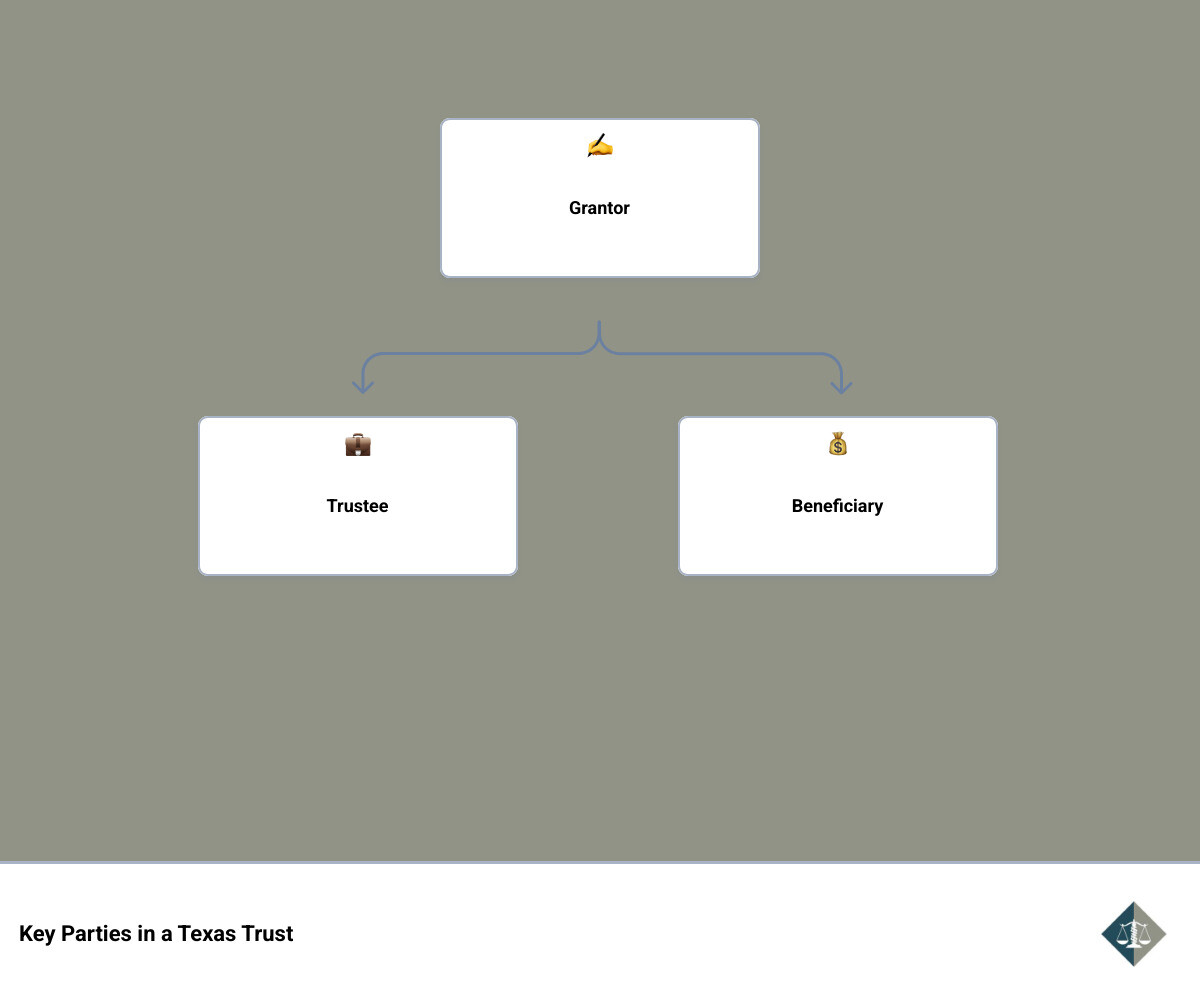
Trusts are created with good intentions, but disputes can arise, turning a careful plan into a conflict. In Houston, trust disputes often stem from the trustee’s actions or challenges to the trust document itself. A dispute occurs when there’s a disagreement among the grantor (creator), trustee (manager), or beneficiaries.
Common causes for trust disputes in Houston include:
- Trustee Misconduct: This includes a trustee using trust funds for personal gain (self-dealing) or making poor investment choices that harm the trust’s value.
- Mismanagement of Assets: A trustee might neglect properties, fail to pay taxes, or make decisions not in the beneficiaries’ best interest.
- Ambiguous Trust Terms: Unclear language in the trust can lead to disagreements over how assets should be managed or distributed.
- Disputes Over Distributions: Beneficiaries may feel they are not receiving their fair share or that payments are unreasonably delayed.
- Failure to Communicate: Trustees must keep beneficiaries informed. A lack of transparency can lead to suspicion and disputes, even without actual mismanagement.
Houston’s economy means trusts often hold diverse assets, from real estate to business shares, amplifying the stakes in any dispute.

Challenging the Validity of a Trust
One fundamental type of dispute questions the trust’s legal validity. If a trust is invalidated, assets may be distributed according to a prior will or state law. Common grounds for challenging a trust’s validity include:
- Lack of Mental Capacity: The grantor must have understood what they were doing when signing the trust. The trust can be challenged if they suffered from dementia, Alzheimer’s, or other cognitive impairments.
- Undue Influence: This occurs when a person is manipulated into creating or changing a trust against their wishes, often by a caregiver or family member exploiting a vulnerable grantor.
- Coercion: This involves direct threats or pressure to force the grantor to sign.
- Fraud or Forgery: The trust is invalid if signed under false pretenses or if the signature was forged.
- Improper Execution: Texas law has specific requirements for signing and witnessing a trust. If these formalities were not followed, the trust could be deemed invalid.
Understanding these grounds is crucial if you believe a trust doesn’t reflect a loved one’s true wishes. For more on these challenges, see our resources on probate challenges.
Breaches of Trustee Duty and Mismanagement
Texas trustees are held to a high standard, known as a “fiduciary duty,” to act in the beneficiaries’ best interest. When a trustee fails, it can cause significant harm. Breaches often manifest as:
- Failure to Make Distributions: Withholding or delaying payments specified in the trust without a valid reason is a breach.
- Poor Investment Decisions: Trustees must manage assets prudently, not make speculative gambles. Failing to diversify or investing in overly risky ventures can be mismanagement.
- Commingling Trust Assets: A trustee must keep trust assets completely separate from their personal funds. Mixing them is a serious breach.
- Failure to Provide an Accounting: Beneficiaries have a right to know how assets are managed. Trustees must provide regular, clear records of all income, expenses, and distributions. A lack of transparency is a red flag. You can learn more about a trustee’s duty to keep clear, accurate records to understand the specifics.
These breaches can lead to major losses, making legal action necessary to protect the trust.
Navigating the Legal Landscape: Key Concepts and Texas Law
Understanding the legal framework is essential when handling a trust dispute in Houston. The Texas Trust Code provides the rules for how trusts are administered and challenged, and Houston’s local Harris County statutory probate courts are where these disputes are resolved.

The Fiduciary Duties of a Trustee in Texas
In Texas, a trustee’s role is defined by critical fiduciary duties outlined in the Texas Trust Code, which place the beneficiaries’ interests first. These include:
- Duty of Loyalty: The trustee must act solely in the beneficiaries’ best interest and avoid conflicts of interest or self-dealing.
- Duty of Prudence: The trustee must manage trust assets with the care and skill a prudent person would use for their own property.
- Duty to Account to Beneficiaries: Trustees must keep clear records and provide regular accountings of all transactions to beneficiaries.
- Duty of Impartiality: If there are multiple beneficiaries, the trustee must treat them fairly and impartially, unless the trust directs otherwise.
- Duty to Enforce and Defend Claims: The trustee must protect trust assets by pursuing claims owed to the trust and defending against invalid claims.
When a trustee fails these duties, they can be held accountable in court. The Texas Trust Code is the primary source for these obligations, and a trust dispute attorney Houston must be familiar with its provisions.
Crucial Legal Terms in Houston Trust Litigation
Familiarity with specific legal terms is necessary for navigating trust litigation:
- Breach of Fiduciary Duty: The most common claim, alleging the trustee violated their duties, causing harm to the trust.
- Statute of Limitations: The legal deadline for filing a lawsuit. For breach of fiduciary duty in Texas, it’s typically four years, but this can be extended if the trustee concealed their misconduct.
- Equitable Relief: Non-monetary remedies ordered by a court, such as removing a trustee or modifying the trust.
- Monetary Damages: A court order for the trustee to pay money to compensate for losses. This can include compensatory damages for actual losses and punitive damages for egregious misconduct.
- Burden of Proof: The responsibility of one party to present enough evidence to prove their claims to the court.
These concepts are the foundation of any trust dispute case in Houston. Our Probate Litigation Houston Guide 2025 offers additional insights.
How Houston’s Probate Courts Handle Trust Disputes
To manage the volume of cases, Harris County has five statutory probate courts dedicated to wills, estates, and trust disputes. The process starts by filing a “trust petition” with the court, outlining the dispute and the relief sought. The judge interprets the trust, applies Texas law, and makes decisions to protect the beneficiaries. These courts are well-versed in the Texas Trust Code and the unique dynamics of family trust disputes. Understanding their procedures is key to an effective legal strategy. Learn more about the Harris County Probate Court Judges overseeing these matters.
The Trust Litigation Process in Houston: From Filing to Resolution
Starting on trust litigation can feel overwhelming, but understanding the process helps clarify the path. While every case is unique, trust disputes in Houston generally follow a structured process from the initial consultation to resolution.
Step-by-Step: The Path of a Trust Lawsuit
- Initial Consultation and Investigation: The process begins with a discussion with a trust dispute attorney Houston. We review documents like the trust agreement and financial records, listen to your account, and investigate claims of misconduct or undue influence.
- Developing a Legal Strategy: Based on the investigation, we formulate a strategy custom to your goals, identifying legal claims and desired outcomes.
- Filing the Lawsuit: If negotiations fail, a lawsuit is filed in a Harris County statutory probate court. This involves a petition stating your claims and requested relief.
- The Findy Phase: This is the longest stage, where both sides exchange information through:
- Interrogatories: Written questions answered under oath.
- Requests for Production: Demands for documents like bank statements or emails.
- Depositions: Oral testimony taken under oath.
- Motion Practice: Attorneys may file motions to compel the other side to produce documents or ask the court to rule on issues without a full trial (summary judgment).
- Mediation or Settlement: Courts often require mediation, where a neutral third party helps negotiate a resolution. Many cases settle at this stage.
- Trial: If no settlement is reached, the case goes to trial. Both sides present evidence and arguments to a judge or jury, who then issues a ruling.
The Role of Mediation and Alternative Dispute Resolution (ADR)
Not all trust disputes require a courtroom battle. Mediation and other forms of Alternative Dispute Resolution (ADR) offer effective ways to resolve conflicts.
- Mediation Process: A neutral mediator facilitates negotiations, helping parties find a mutually acceptable agreement without imposing a solution.
- Benefits of ADR:
- Cost Savings: ADR is often less expensive than a trial.
- Confidentiality: Mediation is typically private, which is important in sensitive family matters.
- Faster Resolution: ADR can resolve disputes more quickly than waiting for a court date.
- Preserving Relationships: By encouraging compromise, mediation can help repair family relationships strained by litigation.
Mediation requires all parties to negotiate in good faith. If not, litigation remains the necessary path.
Potential Outcomes and Remedies in a Trust Dispute
The outcome of a trust dispute varies based on the evidence and claims. Texas courts have broad authority to provide remedies, including:
- Equitable Relief: Non-monetary court orders, such as:
- Trustee Removal: The court can remove a trustee for breaching their duties and appoint a new one.
- Forcing an Accounting: The court can order a trustee to provide a detailed accounting.
- Trust Modification or Termination: The court can alter, correct, or terminate a trust if its purpose has become impossible or impractical.
- Monetary Damages: If a trustee’s misconduct caused financial loss, the court can award damages, including:
- Compensatory Damages: To reimburse the trust for actual losses.
- Punitive Damages: To punish a trustee for severe, intentional misconduct.
- Disgorgement of Compensation: The court can order a trustee to return fees they received.
- Award of Attorney’s Fees: Texas courts may order the trust estate or the losing party to pay legal fees if the litigation was beneficial to the trust or if a party acted in bad faith.
Navigating these outcomes requires a deep understanding of Texas trust law. Our page on estate litigation in Texas provides additional context.
Why You Need a trust dispute attorney Houston
When family dynamics, significant assets, and complex legal documents collide, the situation can become overwhelming. This is why having a dedicated trust dispute attorney Houston is often essential to steer the case and protect your interests.
When to Contact a Houston Trust Litigation Attorney
Knowing when to seek legal counsel can change the outcome of a trust dispute. Don’t wait for the situation to escalate. Contact a trust dispute attorney Houston if:
- You are a beneficiary and suspect the trustee is mismanaging funds, withholding information, or not acting in your best interest.
- You are a trustee being accused of misconduct or facing a lawsuit.
- There are disagreements over ambiguous language in the trust document.
- You suspect the trustee is engaging in self-dealing or embezzling funds.
- Your requests for information or an accounting from the trustee have been ignored.
- You believe the trust is invalid due to undue influence, fraud, or the grantor’s lack of mental capacity.
Acting promptly is crucial due to statutes of limitations. If you have concerns about a probate matter, contact a Houston probate attorney to discuss your situation.
Finding the Right trust dispute attorney Houston for Your Case
Choosing the right legal representation is a critical decision. When searching for a trust dispute attorney Houston, look for someone who understands the law and the local court system.
- Experience in Harris County Courts: An attorney familiar with the procedures and judges in Harris County’s statutory probate courts can handle your case more efficiently.
- A Record of Handling Trust Cases: Look for a firm with demonstrated experience in trust litigation and a deep understanding of the Texas Trust Code.
- Clear Communication: Your attorney should explain complex legal concepts in plain language and keep you informed.
- A Comfortable Client-Attorney Relationship: Trust disputes are emotionally charged. It’s important to find an attorney you trust and feel confident working with.
At WestLoop Law Firm, we are committed to our clients and understand the challenges they face. Learn more about our approach on our About Us page.
Understanding the Costs: Who Pays for Trust Litigation?
One of the most common questions in trust disputes is about the cost and who pays. The answer is complex and depends on several factors:
- Attorney Fee Structures: Fees can be hourly or based on a contingency fee arrangement, where the fee is a percentage of the recovery.
- Who Pays the Legal Fees: There are several possibilities:
- The Trust Estate: If litigation benefits the trust, or if a trustee is defending their actions in good faith, the court may order fees to be paid from the trust.
- The Parties Themselves: If a claim is unsuccessful or a party acted in bad faith, the court may order that party to pay their own fees and sometimes the other side’s.
- Court’s Discretion: Texas courts have significant discretion in awarding attorney’s fees based on the facts and conduct of the parties.
It’s crucial to discuss fee structures and potential cost recovery with your trust dispute attorney Houston upfront.
Frequently Asked Questions about Houston Trust Disputes
We understand that facing a trust dispute brings many questions. Here are some common inquiries we address for our clients in Houston.
How long does trust litigation take in Houston, Texas?
The timeline for trust litigation in Houston varies. Simple cases resolved through mediation might conclude in a few months. However, complex cases involving extensive findy, contested facts, or serious misconduct can take several years. The cooperation of the parties, the complexity of the assets, and the Harris County probate court dockets all affect the duration.
Can a trust be changed or terminated in Texas?
Yes, a trust can be modified, reformed (corrected), or terminated in Texas, but usually only under specific circumstances and with court approval. For irrevocable trusts, this typically requires agreement among all beneficiaries and a court finding that the trust’s purpose has become impossible or that the change would further its purpose.
What is the first step to resolving a trust dispute?
The first step is to gather all relevant documents, including the trust agreement, financial statements, and communications with the trustee. Then, write down a timeline of events and your concerns. The most critical next step is to consult with a legal professional who can review your situation and explain your rights and options. Our guide on the Creating a Last Will and Testament Process offers background on the importance of clear documentation.
Conclusion
Navigating a trust dispute in Houston is challenging, with high emotional and financial stakes. We hope this guide has clarified the grounds for disputes, key Texas legal concepts, the litigation process, and the vital role a trust dispute attorney Houston plays in protecting your interests.
Taking informed action is the first step toward resolution. Whether you are a beneficiary or a trustee, understanding your rights under the Texas Trust Code is paramount. Protecting your inheritance and ensuring a loved one’s legacy is honored are goals we can help you achieve.
At WestLoop Law Firm, we provide dedicated guidance in probate law matters for Houston residents, including complex trust disputes. We are here to help you take the first step.